Pre-Intermediate Japanese Class at Blue House Okinawa
Say More. Respond More. Keep the Conversation Going.
Build on the Japanese You Already Know
You already know some Japanese. Now you want to say a little more.
Pre-Intermediate helps you move beyond short answers and talk more about your family, hobbies, food, travel, work, and everyday life.
You’ll keep building your vocabulary and grammar while learning how to connect what you already know into longer, more useful conversations.
Schedule
Tuesday & Thursday
— choose
1:15–2:25 PM,
6:20–7:30 PM,
or 8:10–9:20 PM
2 lessons per week · 1 month
Tuition
¥27,700 by the 20th
¥33,900 after the 20th
Registration Fee: ¥11,000
Pre-Intermediate Materials: ¥9,240
First Payment
By the 20th: ¥47,940
After the 20th: ¥54,140
On This Page
When One-Word Answers Are Not Enough
Maybe you can already understand a simple question in Japanese.
Someone asks what food you like, what you did over the weekend, where you went, or what you do for work.
You know how to answer — but the conversation stops after one short sentence.
Pre-Intermediate helps you take the Japanese you already know and add more to it.
Instead of only answering the question, you begin learning how to explain, add details, respond, and keep the conversation moving.
Beginners, Pre-Intermediate, or Intermediate?
You do not have to start over just because you are new to Blue House.
If you already know basic Japanese, take the online level check to see where your current Japanese fits.
Beginners
Build the foundation: basic sentence patterns, vocabulary, Hiragana, Katakana, and essential grammar.
Pre-Intermediate
Build on that foundation and begin using more vocabulary, grammar, and connected sentences to talk about everyday topics.
Intermediate
Move beyond everyday answers and learn to explain your experiences, thoughts, reasons, and opinions in more detail.
See What You’ll Learn in Pre-Intermediate
Pre-Intermediate is divided into three stages.
Students who have studied Japanese before can compare the grammar, topics, and examples below with what they already understand and use.
Pre-Intermediate 1
You’ll expand your vocabulary and Kanji while talking about familiar topics such as family and relatives, hobbies, nature, seasons, weather, and your town.
You’ll practice 〜ている for ongoing actions or states, 〜とき for talking about when something happens, and なる for expressing changes.
You’ll also practice connecting verbs and adjectives so you can make longer descriptions and talk about familiar situations in more detail.
Examples
ひまなとき、こうえんで えをかきます。
In my free time, I draw pictures at the park.
今、雪がふっています。
It’s snowing now.
とてもにぎやかでたのしいです。
It’s very lively and fun.
Pre-Intermediate 2
Next, you’ll practice everyday situations such as meeting friends, making plans, going out, talking about meals, and sharing language-learning and cultural experiences.
You’ll work with 〜てもいいですか for checking whether something is okay, 〜たいです for saying what you want to do, and 〜てみます for trying something.
Expressions such as 〜のまえに / 〜のあとで, もう / まだ, 〜に行きます / 〜に来ます, and comparisons such as どちらがいいですか help you talk about plans, timing, purpose, and choices.
Examples
やけいのあとで飲みに行きませんか。
Would you like to go for a drink after seeing the night view?
私はおいしいものを食べに行きたいです。
I want to go eat something delicious.
私は大学のとき、ドイツ語を勉強しました。
I studied German when I was in college.
Pre-Intermediate 3
At this stage, the range of situations becomes wider, including business trips, the workplace, health and exercise, celebrations, and feelings.
You’ll practice 〜たことがあります for experiences, 〜すぎます for saying something is too much, and expressions such as 〜るといいです, 〜ないでください, and 〜たり〜たりしています.
You’ll also work with 〜と思います, 〜と言っていました, and giving and receiving expressions such as あげます / もらいます.
Examples
日本で会ったことがあります。
I have met them in Japan before.
お酒は飲みすぎないでください。
Please don’t drink too much alcohol.
よしださんはよく花をかざると言っていました。
Yoshida-san said that she often decorates with flowers.
Which Level Feels Closest to You?
Pre-Intermediate 1 may be a useful starting point when 〜ている, 〜とき, and なる still feel new.
Pre-Intermediate 2 may be closer when those feel comfortable but expressions such as 〜たいです, 〜てみます, もう / まだ, or before-and-after expressions are less familiar.
Pre-Intermediate 3 may be the better comparison when the earlier material feels comfortable but 〜たことがあります, 〜すぎます, 〜と思います, 〜と言っていました, or giving and receiving expressions still need practice.
Already comfortable with most of these? Compare the Intermediate class.
Prepare What You Want to Talk About
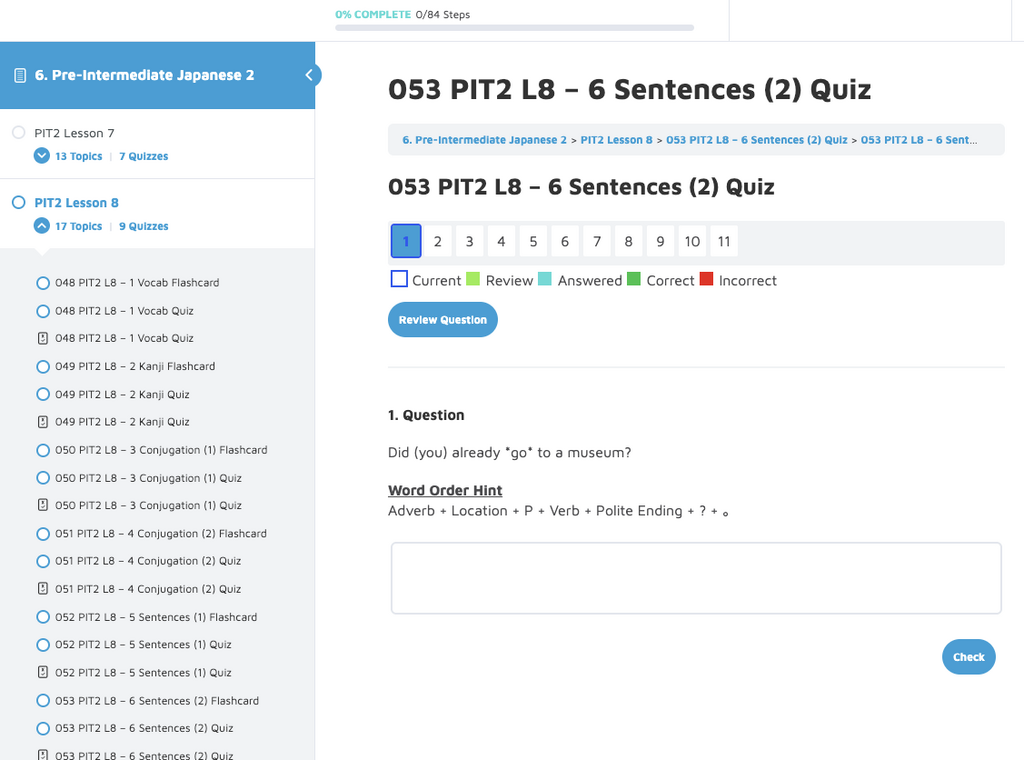
Your learning continues between classes.
Study Room and Workbook activities help you review what you are learning and connect it to things you may actually want to talk about.
Instead of stopping with a model sentence from the textbook, you begin connecting the Japanese to your own life — your family, your interests, places you have been, things you have done, and what you think.
That gives you something meaningful to bring back into class.
Use Class Time to Check, Practice, and Speak
Bring what you studied at home into class.
You can ask questions, check grammar and vocabulary, work on pronunciation, and practice saying what you prepared out loud.
If something does not sound right, your teacher can help you find the problem and try it again.
The goal is not simply to complete the study materials.
The goal is to turn what you studied into Japanese you can actually say.
Take What You Practiced into a Real Conversation
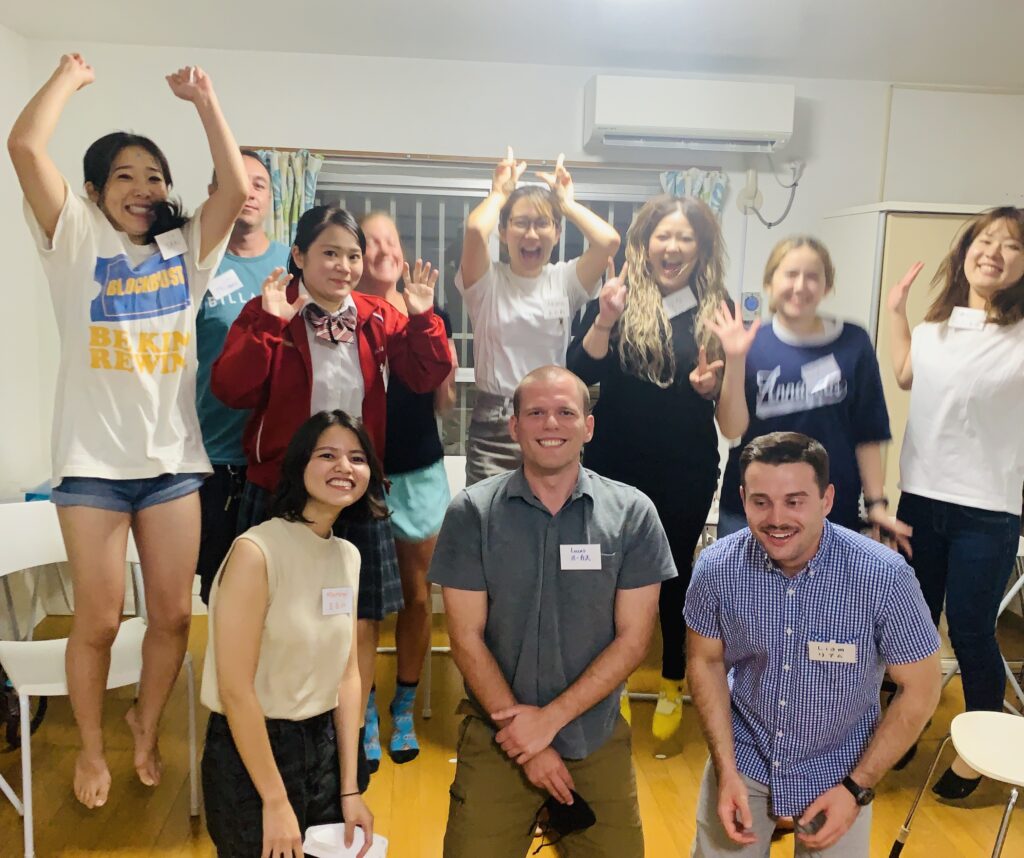
Once you have studied something, checked it, and practiced saying it, the next step is to use it with another person.
Language Exchange gives you a chance to use the Japanese you are learning with Japanese students who are learning English too.
You may not understand every word of the answer you hear.
That is okay.
Listen for the Japanese you recognize, ask again when you need to, and see how far the conversation goes.
Ask a question. Listen to the answer. If you miss something, ask again.
Each real conversation can show you what you already know — and what you want to learn next.
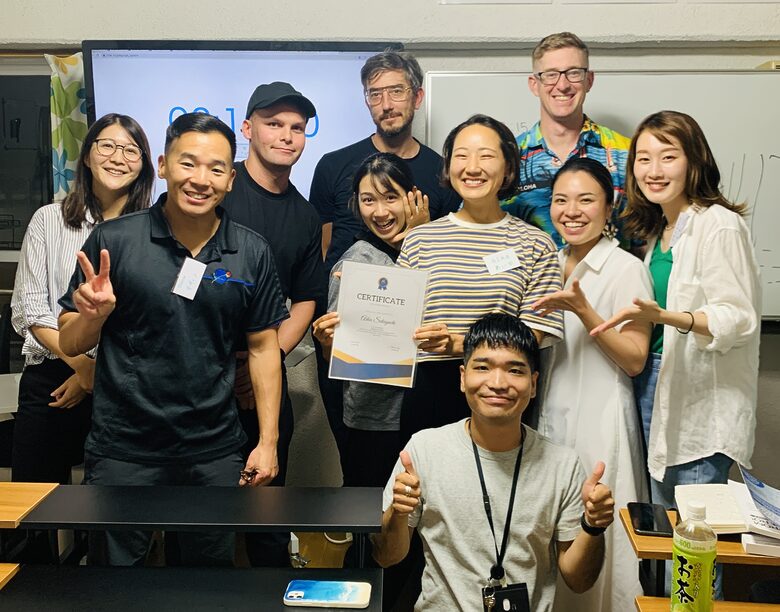
See What Pre-Intermediate Study Looks Like
Reading about a class is one thing.
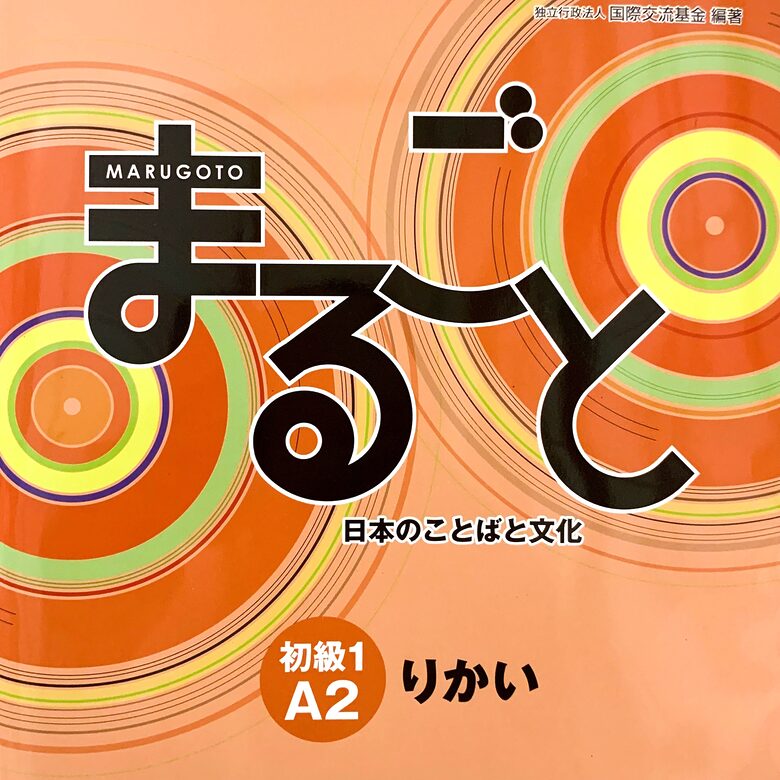
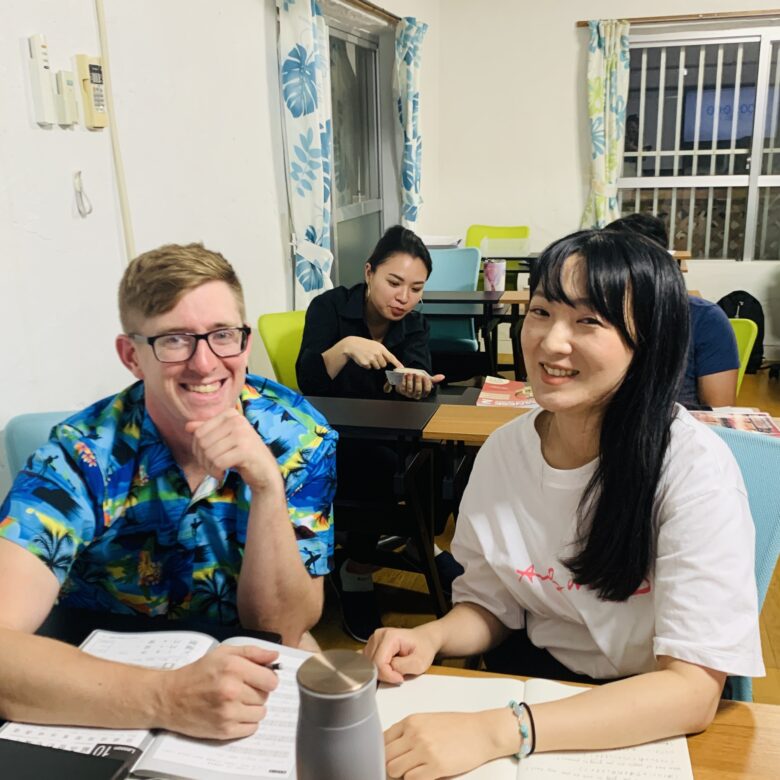
Seeing what students actually study and do gives you a clearer idea of what Pre-Intermediate looks like at Blue House Okinawa.
See the Materials
See the Class
Hear from Students

I had spent about 8 months using online based methods to learn Japanese.
Blue House Okinawa gave me the opportunity to learn Japanese face-to-face with native Japanese speakers.
The language exchanges forced me to step outside of my shell and speak among our Japanese peers, which was exactly what I needed to do to gain confidence to apply my classroom learning to the real world. Most importantly, it has been an incredibly fun experience to learn Japanese while helping others to learn English!
Choose How You Want to Take Pre-Intermediate
Pre-Intermediate is offered through Self-Paced.
That means you move through the Pre-Intermediate curriculum according to your own progress while still receiving instructor support in class.
Then choose how you want Japanese to fit into your week.
Fixed Schedule
Choose Fixed if you want the same scheduled class days and times each week.
A regular schedule gives you a consistent routine while you continue through the Pre-Intermediate curriculum at your own pace.
Schedule
Tuesday & Thursday
Choose:
- 1:15–2:25 PM
- 6:20–7:30 PM
- 8:10–9:20 PM
Frequency: 2 lessons per week
Duration: 1 month
Total Tuition
Tuition:
¥27,700 by the 20th
¥33,900 after the 20th
Registration Fee:
¥11,000
Pre-Intermediate Materials:¥9,240
First Payment Total
By the 20th: ¥47,940
After the 20th: ¥54,140
Flex
Choose Flex if you want more control over when and how often you come.
With Flex, you choose the number of lessons you want, then book from the Japanese classes available on the weekly schedule.
You can use Flex for a lighter pace, such as one lesson a week, or choose a larger Flex plan and build a more intensive schedule.
Flex 8
8 lessons
Tuition:
¥33,400
Registration Fee:
¥11,000
Pre-Intermediate Materials:
¥9,240
First Payment Total
¥53,640
Book from available Japanese lessons on the current weekly schedule.
For current booking, cancellation, and Flex plan details, see the Tuition & Schedule page.
Not Sure Which Direction to Take?
If you already know some Japanese but are unsure whether Pre-Intermediate is the right level, you do not have to guess.
Take the online level check and see what matches what you already know.
If your main goal is practical speaking without following the full reading, writing, and grammar path, Conversation Class is another option.
If you are ready to express experiences, reasons, and opinions in more detail, Intermediate may be the next step.
If you are preparing specifically for the Japanese Language Proficiency Test, you can also look at JLPT Test Prep.
Ready to Continue Your Japanese?
You have already started learning Japanese.
Pre-Intermediate helps you take that foundation and do more with it — say more, understand more, and keep a conversation going a little longer.
What you study at home comes into class.
What you practice in class can go into real conversations.
And little by little, the Japanese you already know becomes Japanese you can actually use.
Not sure which level is right for you?
